
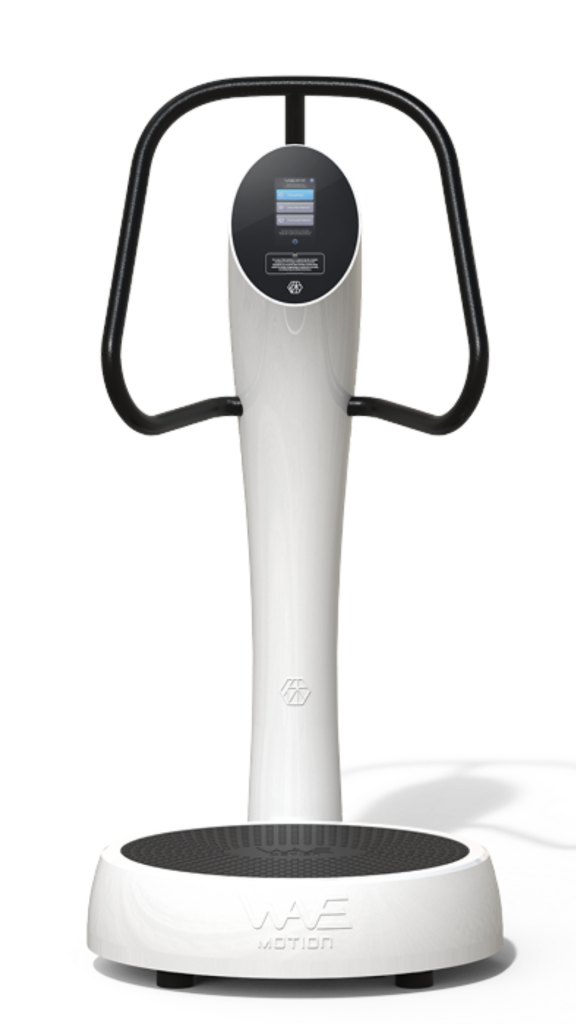

Wave motion exercise therapy can refer to two distinct methods:
One involving a device that uses vibrations to stimulate muscles and circulation.
Another that uses voluntary, undulating movements of the body, like spinal waves, to enhance mobility and relax tension.
The device-based therapy often combines this with ultrasound or PEMF technology to improve strength, circulation, and reduce pain, with short sessions providing intense effects.
The body-based spinal wave practice focuses on calming the mind and increasing flexibility through rhythmic movements of the spine, pelvis, and shoulders.
A device generates vibrations that cause muscle contractions, leading to various physiological effects.
Muscle Activation
Stimulates deep core muscles and enhances muscle strength and mass.
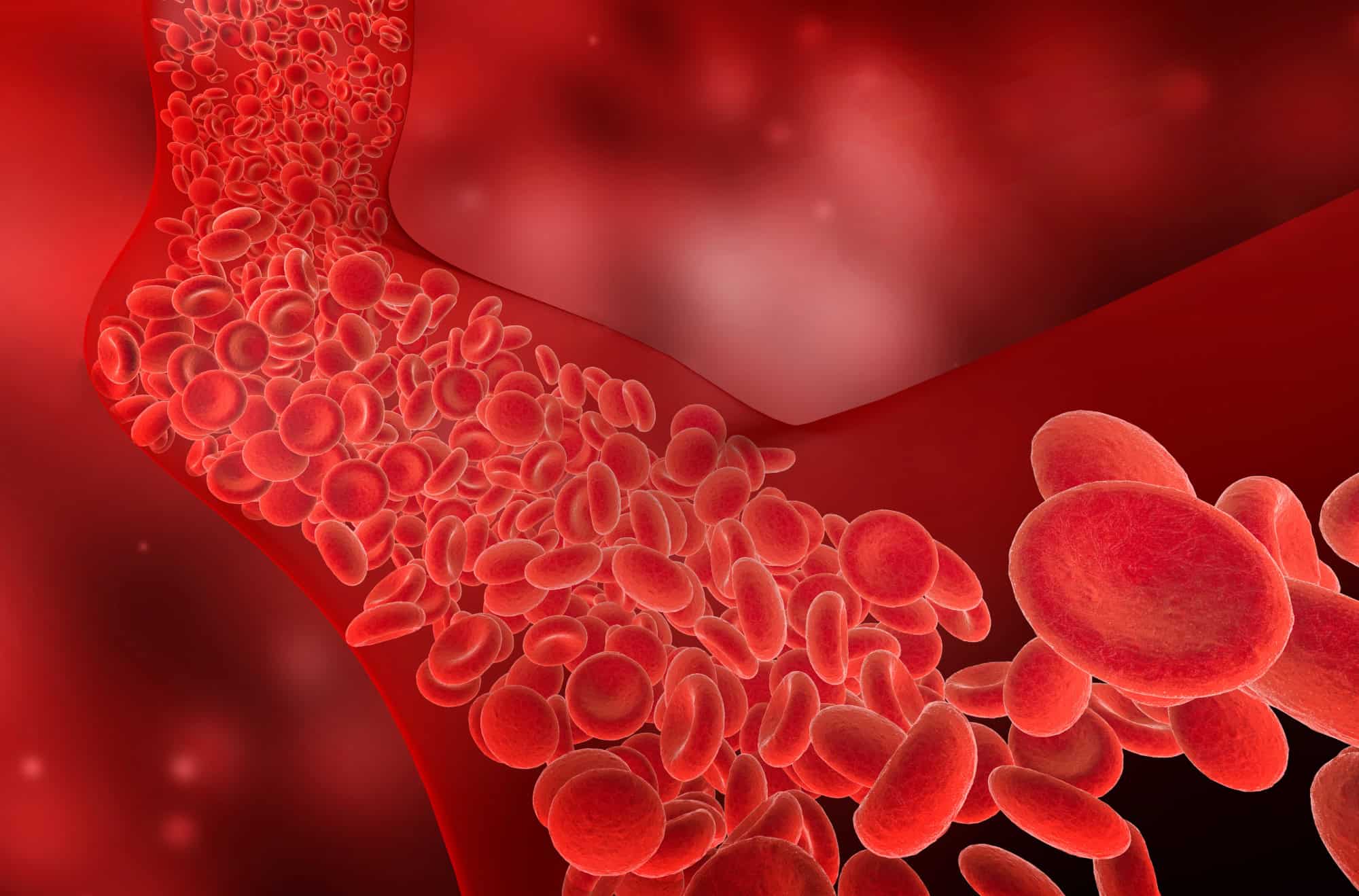
Circulation
mproves blood and lymph circulation.
Pain & Inflammation
Reduces pain and inflammation, particularly in conditions like chronic muscle disorders.

Bone Health
Can promote osteoblast production, which is important for bone density.

Efficiency
Provides high-intensity workout effects in a short period, with some claims suggesting benefits equivalent to hours of traditional exercise in minutes.

Who it's for:
Individuals in rehabilitation
Those with chronic muscle conditions
People with limited time for exercise
Body-Based Spinal Waves
Involves performing gentle, voluntary movements that ripple through the spine, shoulders, and pelvis.
Relaxation
Promotes deep relaxation and a calm state of mind.

Mobility
Enhances mobility and flexibility, particularly in the back and spine.
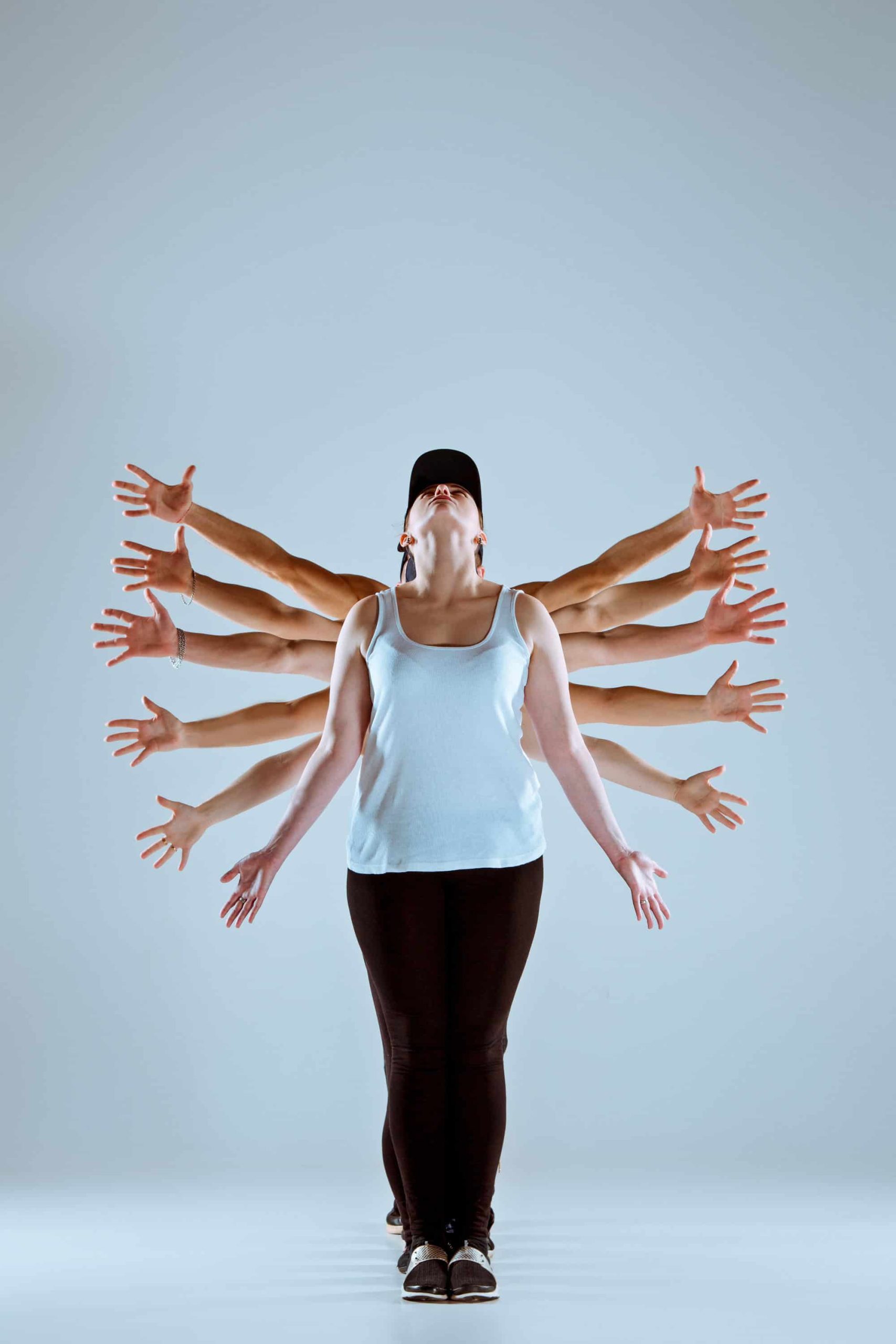
Body Awareness
Increases body awareness and can help to release tension.

Balance
Harmonises the body's movements, potentially improving balance.